(Read my October piece on Cameroon for background on the historical roots of the country's crisis.)
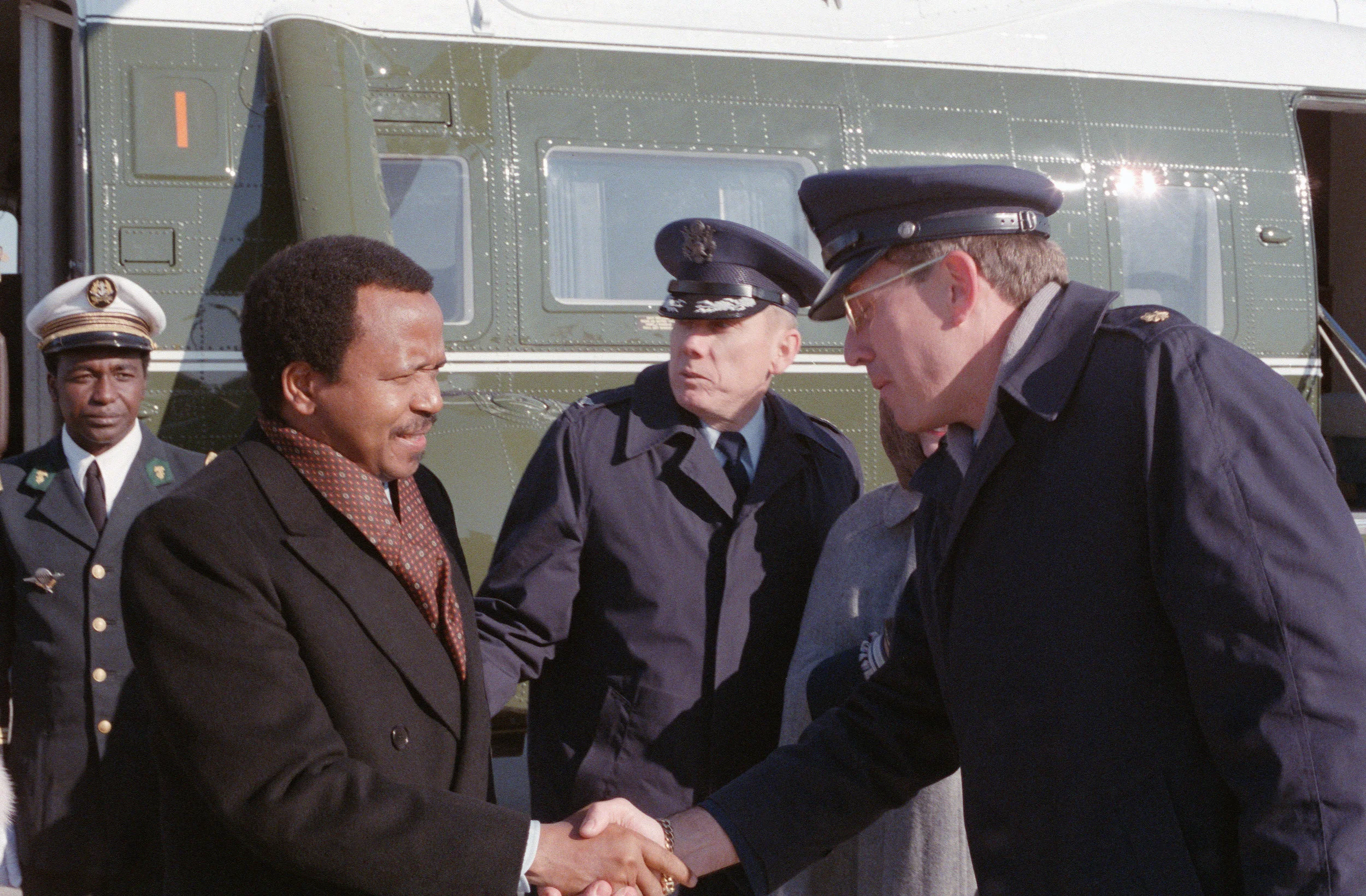
There is no military solution to the conflict between Paul Biya's regime in Cameroon, and the Anglophone separatists at war with it since 2017. The overwhelming, brutal, and repressive response of Biya's security forces has resulted in countless killings, hundreds of thousands displaced, and a total denial of basic services in the Anglophone regions.
Despite the dark state of affairs, Cameroon's situation is ripe for external mediation.
Read MoreFor John Campbell’s “Africa in Transition” blog on the Council on Foreign Relations website, I authored a piece on the historical background of the Sudan posts and al-Bashir’s ouster. It is reproduced below.
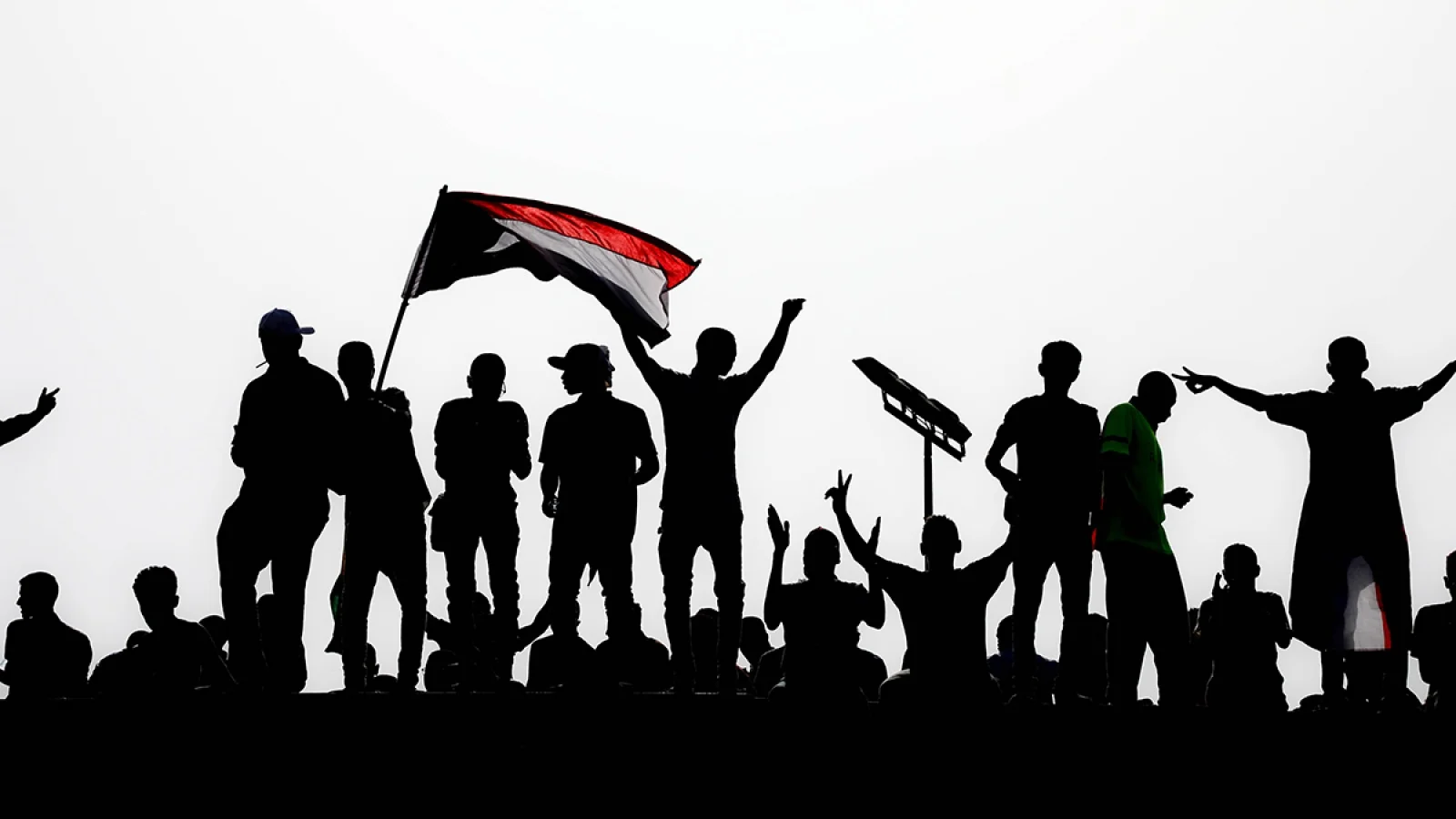
While the Sudanese military expelled President Omar al-Bashir from office, the people of Sudan are ultimately responsible for toppling his regime, and the leaders of the protest movement have promised not to let up until civilian rule is secured. They well know that any persistence of military control represents a continuation of the Bashir regime, and in particular, the Arabic-speaking population’s monopoly of power. For three decades they have endured the suppression of civil society, labor unions, freedom of press and religion, and any real measure of democratic expression or development. The Sudanese people have enough experience with the security apparatus Bashir created to know that exchanging one general with another does not represent improvement.
Read MoreSudan's major cities have been rocked by anti-government demonstrations for the past several months. This type of political protest has been rare in the Sudan since the government of President Omar Hassan al-Bashir took power in an “Islamic” military coup in August 1989. The Sudanese military has never hesitated to use lethal force against protesters – indeed, several hundred have been reported killed since the beginning of the 2019 movement.
These events reflect a substantial decline in living standards for a majority of Sudanese since the independence of South Sudan in 2011 – the South is the main source of oil. The northern Khartoum government saw oil revenue decline to only fourteen U.S. dollars per barrel transported from the south to Port Sudan on the Red Sea, via a Sudanese government-owned pipeline.
Read MoreIn the daily “Africa in Transition” blog, on February 6, 2019, Ambassador Michelle Gavin, a Senior Fellow at the Council on Foreign Relations Africa Program, harshly criticized the United States government’s policy toward the December 2018 presidential election in the Democratic Republic of the Congo. The title of the article summarizes Ambassador Gavin’s point of view quite succinctly:
“The Truth About United States’ Complicity in DRC’s Fraudulent Election”
The word “complicity” in my view, is both unfair and unjustified. Here is why.
Read MoreAmong the many French and British African colonies which achieved independence in the early 1960s, Cameroon seemed destined for greatness. A diverse reflection of peoples from across Africa, Cameroon has both Christians and Muslims, and French and English-speakers. The country enjoys substantial natural resources, as well as excellent agricultural potential.
Sadly, greatness has eluded the Cameroonian people. The country's governance over the past six decades has been deficient in practically every respect. Weak democratic institutions are largely to blame; there is no doubt that Paul Biya will be the winner of the just-completed elections. Like every election in Cameroon since 1982, the 2018 polls were most certainly rigged.
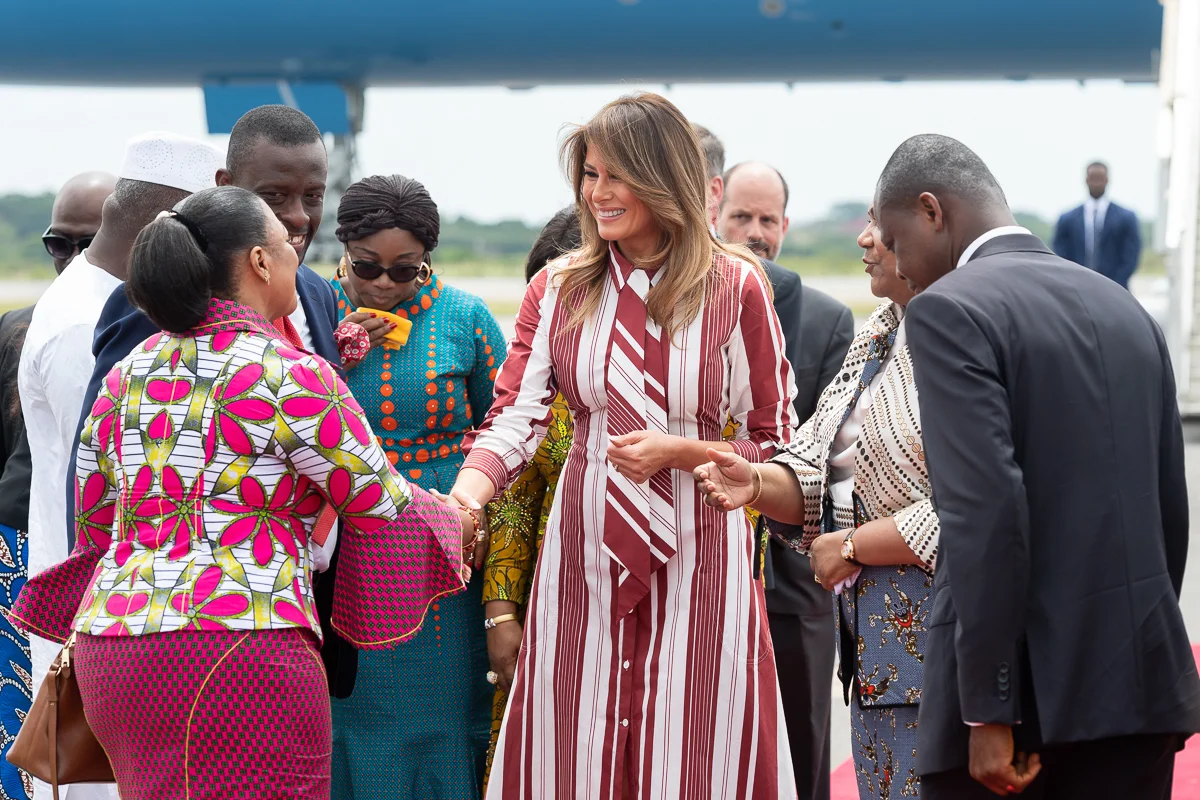
Read MoreFirst Lady of the United States Melania Trump made a goodwill visit to Africa, October 1-7. Her itinerary included the nations of Ghana, Malawi, Kenya and Egypt. The trip was planned in tandem with the United States Agency for International Development (USAID).
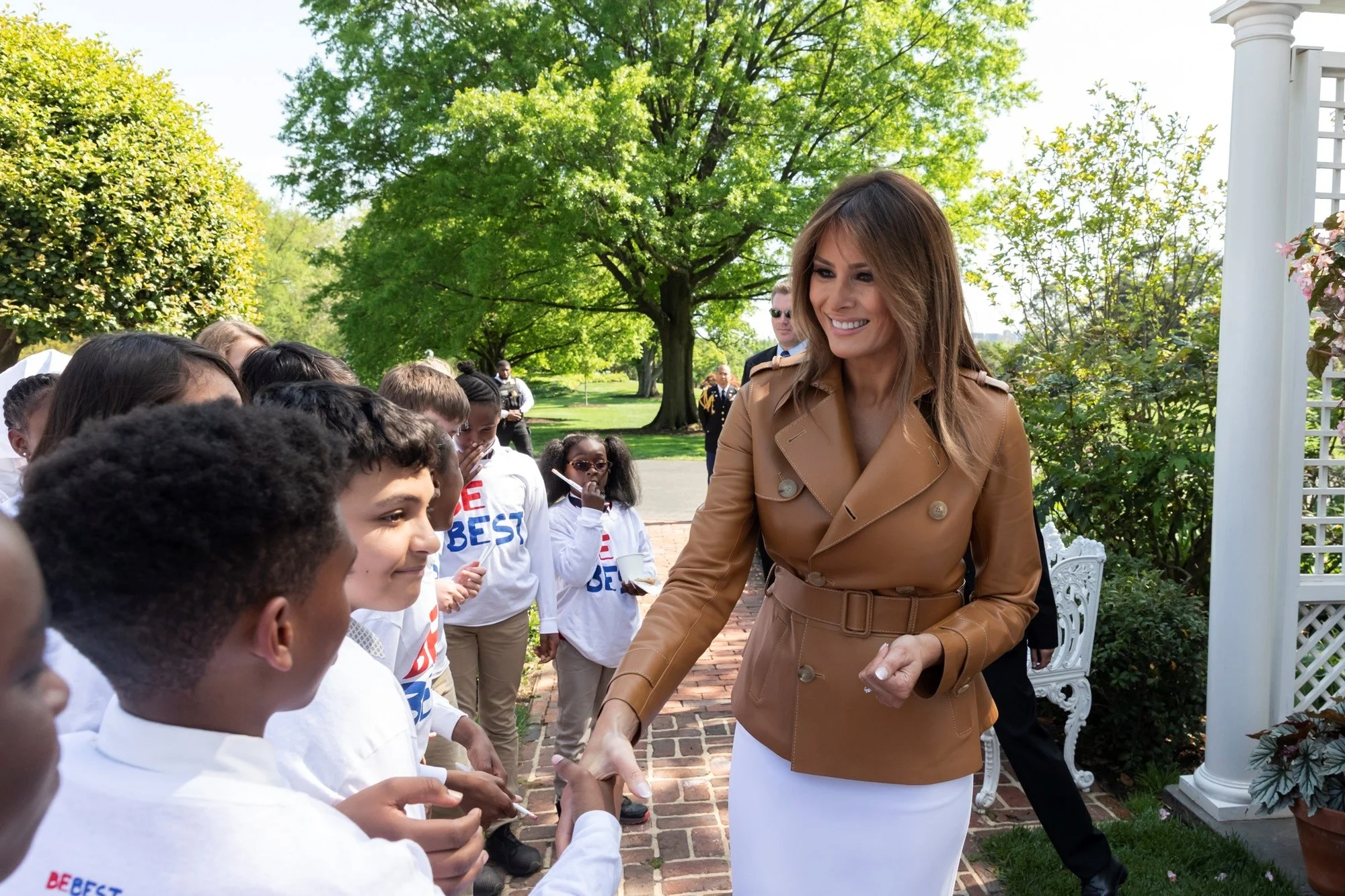
Mrs. Trump emphasized support for African youth during her visit, continuing her “Be Best” initiative which she has been promoting in the United States.
Read MoreFirst Lady Melania Trump’s trip to Ghana, Malawi, Kenya, and Egypt beginning October 1 is a welcome signal of the Trump administration’s interest in African development, and its relationship with security and prosperity in the United States.
Mrs. Trump’s expressed interest in the welfare of African children, in tandem with her “Be Best” initiative for American youth, is a wise approach, since people under 30 represent a majority of Africans. These African youth will make or break the success of its nations.
Read MoreAlmost every recent U.S. President has inaugurated a signature program to support Africa and Africans. The First Lady's upcoming visit to Africa this October is an excellent opportunity for President Trump to establish his own.
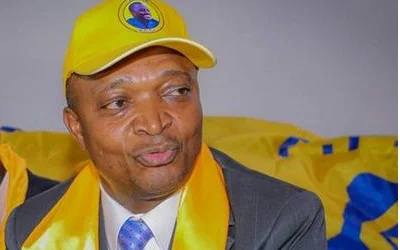
Read MoreAprès une longue période d’incertitude, Président Kabila a décidé de ne pas essayer de réviser la constitution de la République Démocratique du Congo (RDC), dont la limite est de deux mandats à la Présidence, en se mettant d’accord de quitter le pouvoir après les élections du 23 décembre 2018 et cela deux ans après. En même temps, Président Kabila a présenté son successeur préféré, et qui sera alors le candidat de la Majorité Présidentielle, Emmanuel Ramazani Shadary.
La sélection de Kabila pour Shadary était en quelque sorte une surprise. Son nom n’était pas sur la liste de personne comme héritier possible. Cependant selon la perspective de Kabila, Shadary est le choix logique.
Read MoreAfter a long period of suspense, President Joseph Kabila has decided not to try to revise the DRC’s constitutional two-term limit on his office, agreeing to leave power after the election scheduled for December 23, 2018, two years late. At the same time, President Kabila presented his preferred successor, and who will therefore be the candidate of the “Presidential Majority,” Emmanuel Ramazani Shadary.
Kabila’s selection of Shadary was something of a surprise. His name was not on anyone’s list as a possible heir. However, from Kabila’s perspective, Shadary is the logical choice.
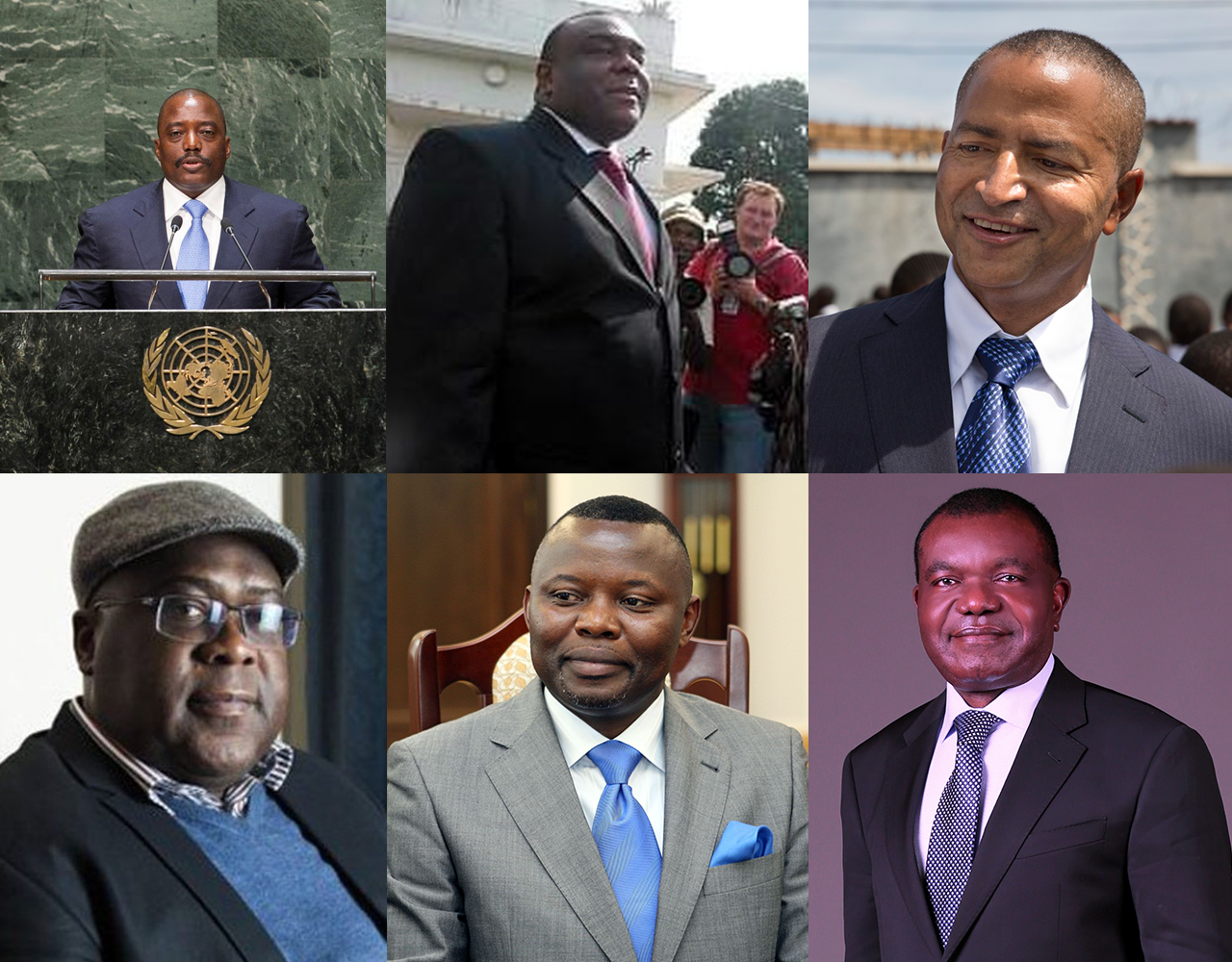
Read MoreThere are now six months until the DRC’s presidential election, scheduled for December 23. Candidates will file papers starting July 24. It is a good moment to review who is likely to run, and who has the best chances against Kabila’s party, the People’s Party for Reconstruction and Democracy (PPRD).
There is a crowded field of opposition candidates. Concerns are running high that they will split the general vote, enabling Kabila’s party to win with a plurality as small as 25%. Many observers are urging the opposition to unify behind a single presidential candidate who stands a good chance of defeating the PPRD.
Read MoreMonsier le Président,
J’ai appris que la Cour Suprême voudriez interviewer un Consultant Américain de Sécurité portant le nom de Daryl Lewis.
Read MoreMr. President,
I am sending you this letter as the Supreme Magistrate of the Democratic Republic of Congo and the first guarantor of fair application of justice.
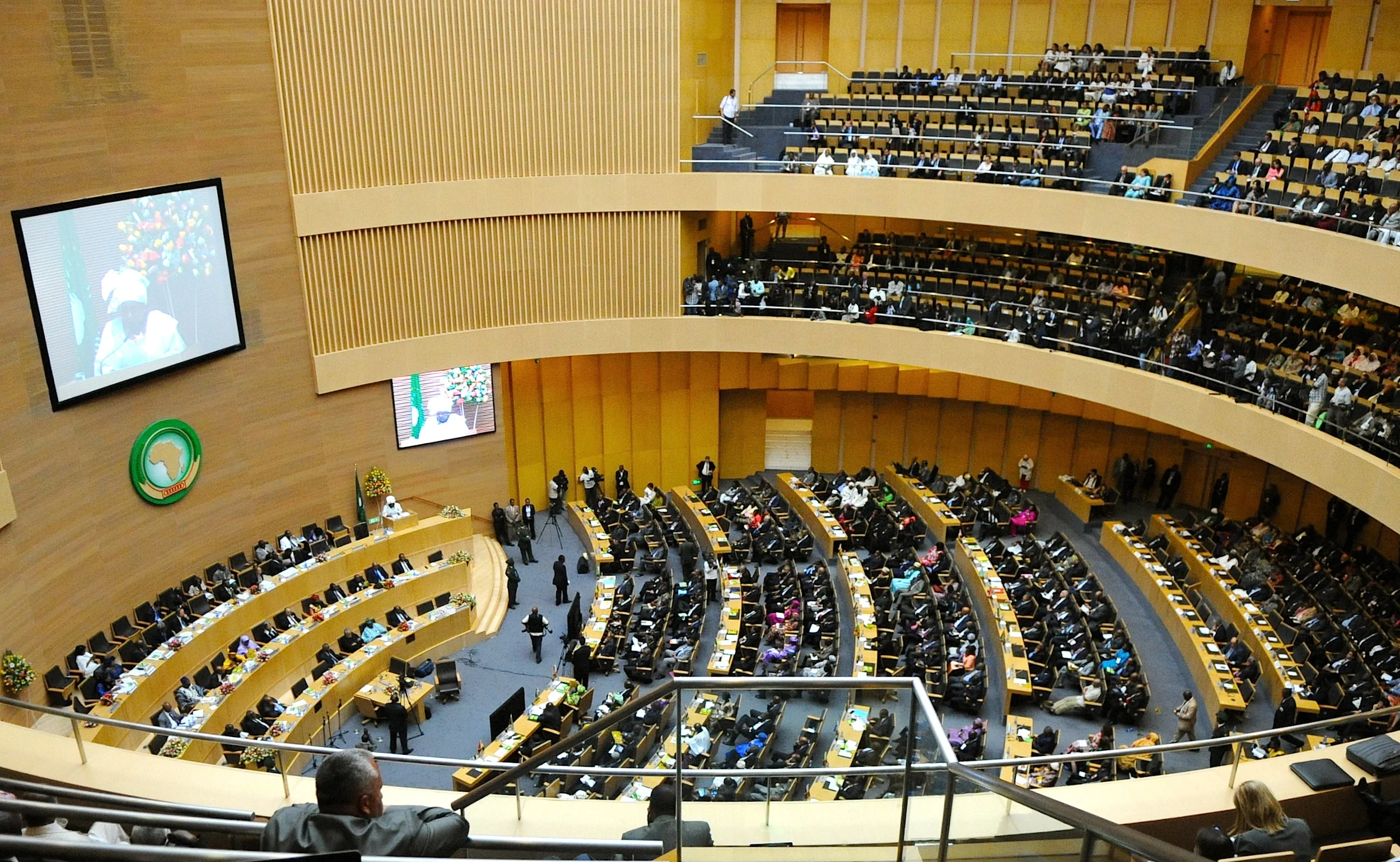
Read More2018 could be seen as the 55th “birthday” of the African Union, since its predecessor, the Organization of African Unity, was established in 1963. The group’s objectives and influence have changed dramatically over those decades.
Read MoreLa crise politique en cours en République démocratique du Congo a été une des principaux sujets du jour dans les cercles des affaires étrangères de Washington pendant la semaine du 21 au 25 mai 2018. Les représentants de la société civile congolaise et de l'administration Kabila avaient assisté à un déjeuner d’un forum du Congrès américain et avait été accueilli différemment.
Read MoreThe ongoing political crisis in the Democratic Republic of the Congo was a top feature among Washington foreign relations circles throughout the week of May 21-25, 2018. Representatives from Congolese civil society and the Kabila administration appeared at a Congressional breakfast forum and were received quite differently.
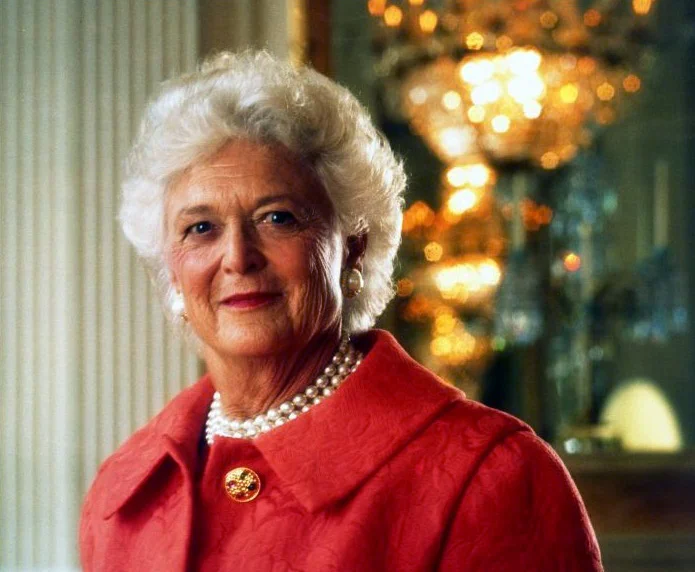
Read MoreDuring George H.W. Bush’s term as President of the United States, I served as his Assistant Secretary of State for African Affairs. In that capacity, I had the privilege of being in the presence of the First Lady, Mrs. Barbara Bush, usually during visits by African heads of state when Mrs. Bush would host their spouses for coffee or tea.
Read More